
Blog Post
Breathwork Explained: Techniques, Benefits, and Where to Practice
Rituals
April 10, 2026
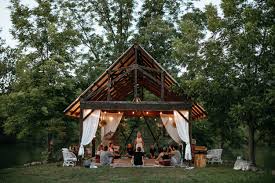
You've been breathing your entire life without instructions. The idea that you need a teacher to show you how to do it differently sounds like the kind of thing the wellness industry invents to sell workshops. And yet: controlled breathing techniques have measurable, reproducible effects on the nervous system, blood chemistry, stress hormones, and emotional regulation. The research is real. The experience is powerful. The industry built around it is a mix of genuine practitioners and people who discovered that "breathwork facilitator" requires no certification.
Here's what the techniques actually are, what they do, and how to find the real thing.
The Science (Briefly)
Breathing is the only autonomic function you can also control voluntarily. Your heart rate, digestion, and blood pressure regulate themselves without your input. Breathing does too (you don't stop breathing when you fall asleep), but you can also choose to change its rate, depth, and pattern at any time. This dual status gives breathing a unique position as a bridge between the automatic nervous system and conscious control.
When you change your breathing pattern, you change your physiology:
Slow, deep breathing (6 breaths per minute or fewer) activates the parasympathetic nervous system. Heart rate slows. Blood pressure drops. Cortisol decreases. The vagus nerve (the primary nerve of the parasympathetic system, running from brainstem to abdomen) is stimulated with each long exhale. This is the mechanism behind the advice to "take a deep breath" when you're stressed. It's not metaphorical. It's a direct neurological intervention.
Fast, rhythmic breathing (hyperventilation patterns) shifts blood chemistry by reducing CO2 levels (respiratory alkalosis). This produces tingling in the extremities, lightheadedness, altered perception, and in sustained practice, emotional release and non-ordinary states of consciousness. The effects are similar to (though milder than) some psychedelic experiences, which is why intense breathwork practices have attracted both therapeutic interest and appropriate caution.
Breath holds (retention) trigger the dive reflex and chemoreceptor responses. The body interprets a breath hold as a mild stressor and responds by redistributing blood flow to vital organs, lowering heart rate, and increasing vagal tone. Repeated breath holds followed by recovery breaths (as in the Wim Hof Method) train the body's stress response system.
The Major Techniques
Pranayama. The oldest documented breathwork system, part of the yoga tradition for over 2,000 years. Pranayama encompasses dozens of techniques, but the most common are:
Nadi Shodhana (alternate nostril breathing): Close one nostril, breathe in through the other, switch, breathe out. Repeat. 5-10 minutes of this produces a noticeable calming effect and is used in clinical settings for anxiety reduction.
Kapalabhati (skull-shining breath): Short, sharp exhales through the nose with passive inhales, at a rate of about 1-2 per second. It's energizing, core-activating, and mildly hyperventilating. Not recommended during pregnancy or for people with high blood pressure.
Ujjayi (ocean breath): A slight constriction at the back of the throat that creates an audible, wave-like sound on both inhale and exhale. This is the breath used during vinyasa yoga and produces a meditative rhythm.
Bhastrika (bellows breath): Vigorous, equal inhales and exhales through the nose. More intense than Kapalabhati. Used to generate heat and energy.
Holotropic Breathwork. Developed by Stanislav Grof (a psychiatrist who previously researched LSD therapy) in the 1970s. The technique uses sustained, accelerated breathing (faster and deeper than normal) combined with evocative music to produce non-ordinary states of consciousness. Sessions last 2-3 hours, are always done with a partner ("sitter") and a trained facilitator, and can produce intense emotional and somatic experiences: crying, shaking, vivid imagery, re-experiencing of memories, and states described as transcendent or mystical. It's the most intense widely available breathwork practice and is used in therapeutic contexts for processing trauma, grief, and emotional blockages.
The Wim Hof Method. Developed by Dutch athlete Wim Hof ("The Iceman"), this combines a specific breathing pattern with cold exposure and commitment/meditation. The breathing protocol: 30-40 deep breaths (fully in, partially out), followed by a breath hold on empty lungs (1-3 minutes), followed by a recovery breath held for 15 seconds. Repeat 3-4 rounds. The technique produces tingling, lightheadedness, and a rush of energy. Research (Hof has been studied at multiple universities) shows that the method can influence the autonomic nervous system and immune response in ways previously thought impossible for voluntary control. A 2014 study in PNAS found that practitioners of the Wim Hof Method could voluntarily influence their innate immune response.
Rebirthing Breathwork. A continuous, connected breathing pattern (no pause between inhale and exhale) maintained for 60-90 minutes. Developed by Leonard Orr in the 1970s. The technique produces a range of physical sensations (tingling, tetany, temperature changes) and emotional release. The name comes from Orr's claim that the technique can help process birth trauma, which is unsupported by evidence. The breathing technique itself produces genuine physiological effects; the theoretical framework around it is questionable.
Box Breathing. Inhale for 4 counts, hold for 4 counts, exhale for 4 counts, hold for 4 counts. Repeat. Used by the US Navy SEALs for stress management (which is how it entered mainstream wellness culture). It's simple, portable, and effective for acute stress reduction. No facilitator required. You can do it in a meeting, on a plane, or before a difficult conversation.
4-7-8 Breathing. Developed by Dr. Andrew Weil. Inhale for 4 counts, hold for 7 counts, exhale for 8 counts. The extended exhale maximizes parasympathetic activation. Weil recommends it specifically for falling asleep, and anecdotal reports of its effectiveness for insomnia are widespread.
The Risks
Most breathwork techniques are safe for most people. The exceptions matter.
Hyperventilation-based practices (Holotropic, Wim Hof, Rebirthing) alter blood chemistry and can cause fainting, seizures (rare but documented), and panic attacks. People with epilepsy, cardiovascular conditions, or a history of psychosis should not practice intense breathwork without medical clearance. Pregnant women should avoid hyperventilation practices.
Breath holds can cause loss of consciousness if pushed too far, especially in water. Never practice breath holds in water without a trained safety partner. Shallow water blackout (loss of consciousness due to low oxygen following hyperventilation) causes drownings every year.
Emotional intensity. Holotropic Breathwork and similar practices can surface intense emotions and trauma responses. This is considered part of the therapeutic process, but it requires a safe setting and a qualified facilitator. Doing intense breathwork alone, without support, is not recommended for people with unprocessed trauma.
Where to Practice
Yoga studios offer pranayama as part of regular classes and as standalone workshops. This is the most accessible entry point: low intensity, experienced teachers, and a technique set that's been refined over millennia.
Wim Hof Method workshops and courses are available worldwide (check wimhofmethod.com). The online course is well-produced and teaches the full protocol. In-person workshops add the cold exposure component (ice baths, cold water immersion).
Holotropic Breathwork sessions are available through certified facilitators (trained through Grof Transpersonal Training). Sessions are always done in person, with a sitter, and in a group setting. Search for certified facilitators at holotropic.com.
Breathwork-specific retreats are offered at centers like Rythmia (Costa Rica), The Breath Center (various locations), and through independent facilitators who run multi-day programs. These typically combine breathwork with yoga, meditation, and integration practices.
At home. Box breathing, 4-7-8, and basic pranayama require no equipment, no teacher, and no special setting. Start with 5 minutes of box breathing (4-4-4-4) in the morning and notice what happens to your baseline state over a week. If that produces results, explore the deeper techniques with a qualified teacher.
Breathing is the most accessible wellness practice that exists. You already have the equipment. You just need to use it differently.