
Blog Post
Luxury Wellness Retreats That Don't Feel Like a Hospital
Retreats
April 10, 2026
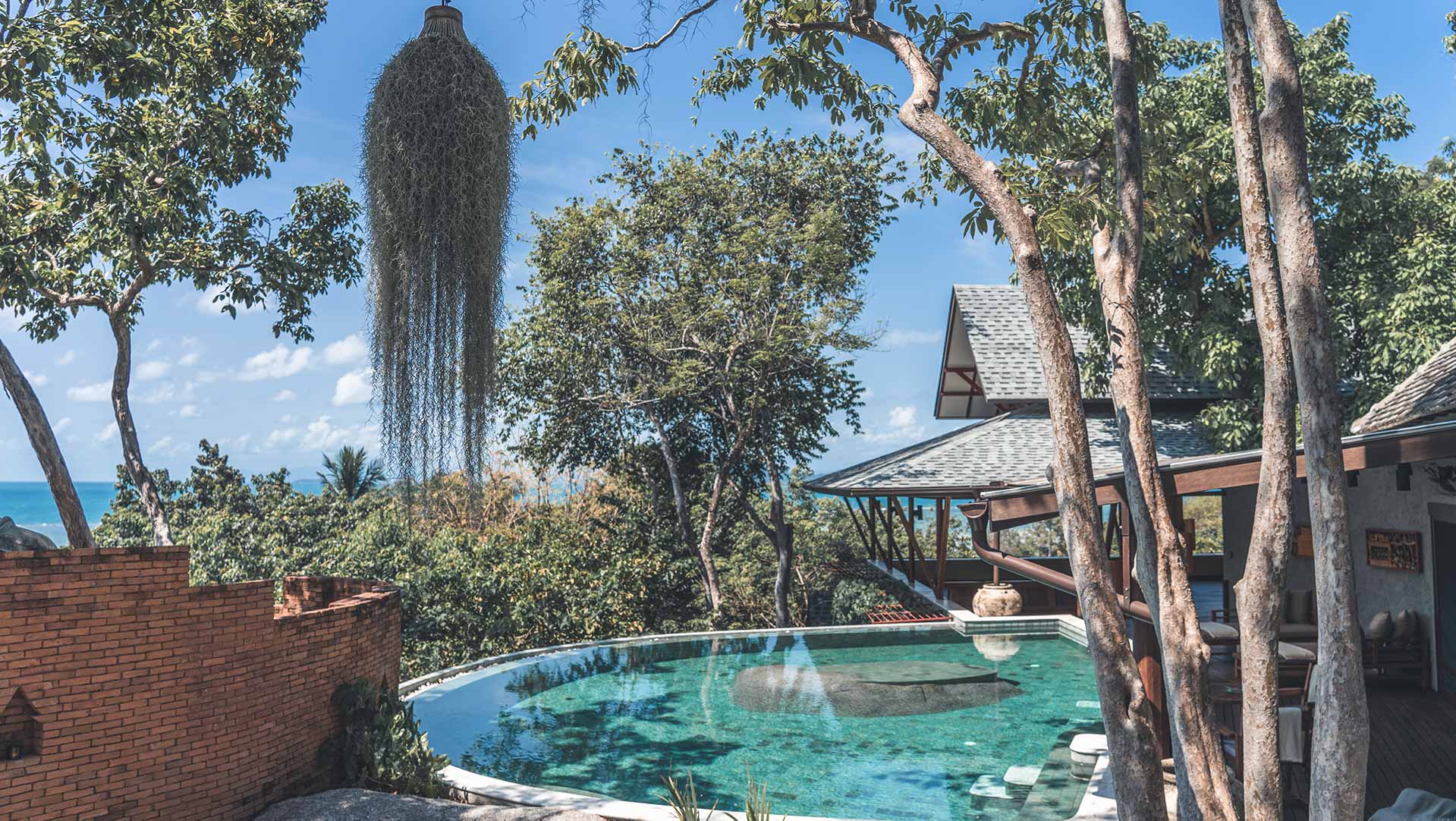
The first generation of luxury wellness retreats borrowed their aesthetic from medical clinics: white walls, clinical lighting, staff in uniforms, "protocols" instead of "programs," and an atmosphere that suggested your relaxation was being monitored by someone with a clipboard. The food was "prescribed" rather than enjoyed. The treatments were "administered" rather than experienced. You paid $2,000 a night to feel like a patient.
The best luxury wellness properties have figured out that healing doesn't require sterility. That a tasting menu can be as nourishing as a juice fast. That a tented bungalow in a jungle can do more for your nervous system than a white room with a heart rate monitor. Here are the retreats that deliver serious wellness in settings that feel like the opposite of a hospital.
The Nature Immersions
Four Seasons Naviva (Riviera Nayarit, Mexico) strips luxury wellness down to its essential idea: remove every unnecessary decision and let the natural environment do the work. 15 tented bungalows, 48 forested acres, 30 guests maximum. No fixed schedules. No restaurant hours. No spa building. Treatments happen in freestanding forest pods with outdoor soaking tubs. Food is prepared to your preferences, served wherever you want, whenever you want. The jungle provides the soundscape (birds, insects, ocean), and the absence of structure is the wellness program. It's the most convincing argument that luxury and simplicity can occupy the same space. Adults only (16+). Fully all-inclusive.
Aman Tokyo (Japan) doesn't market itself as a wellness retreat, and that's part of why it works. The spa occupies 2 floors and draws on Japanese onsen and sento (public bath) traditions: deep soaking tubs, hot and cold plunge pools, and a design language (stone, wood, water, natural light) that produces calm without announcing it. The guest rooms are among the largest in Tokyo, with floor-to-ceiling windows and a minimalism that gives your mind space. The wellness here is architectural and cultural rather than programmatic. No one hands you a schedule. The hotel itself is the intervention.
Amilla Maldives operates a wellness program on a private island that uses the ocean as the primary therapeutic environment. Open-water swimming, underwater meditation (snorkeling on shallow reefs as a mindfulness practice), ocean sound therapy, and treatments that incorporate marine ingredients. The overwater villas with glass floors put you above a living reef. The isolation (the nearest anything is a 30-minute boat ride) creates a sensory environment where the only stimulation is natural.
The Design-Forward Properties
SHA Wellness Clinic (Alicante, Spain) is where clinical wellness and luxury converge most successfully. The property sits on a hillside above the Mediterranean with architecture by Carlos Gilardi that manages to be both contemporary and warm. The programming is medical: genetic testing, microbiome analysis, cognitive health assessments, and multi-day protocols designed around specific health goals. But the experience doesn't feel clinical. The food (macrobiotic-influenced, beautiful, and satisfying) is central to every program, the spa is one of the best in Europe, and the rooms have terraces overlooking the sea. It's serious wellness with the presentation of a five-star hotel.
Lefay Resort & SPA Lago di Garda (Italy) overlooks Lake Garda from a hillside position in the Italian Alps. The wellness approach blends Classical Chinese Medicine principles with Western spa traditions, and the facilities (indoor/outdoor pools, a salt room, energy rooms, and treatment suites with lake views) are integrated into the landscape. The architecture follows the contours of the hillside, and the design uses natural materials (stone, wood, glass) in a way that makes the building feel like part of the mountain.
Sensei Lanai (Hawaii) occupies the former Four Seasons Lodge at Koele on the island of Lanai. The wellness program uses data (fitness assessments, metabolic testing, sleep analysis) to create individualized programs, but the delivery happens in a setting that includes a mature Norfolk pine forest, organic gardens, spa hale (treatment pavilions in the garden), and a pool surrounded by Cook pines. The approach is evidence-based without being clinical. The staff-to-guest ratio (it's a small property on a private island) allows for genuinely personalized programming.
The Traditional Reinventions
COMO Shambhala Estate (Bali, Indonesia) sits in the Ayung River valley near Ubud and is the benchmark for luxury wellness in Southeast Asia. The wellness programs draw on Ayurvedic and traditional Balinese practices: panchakarma cleanses, water purification ceremonies, yoga, and treatments using ingredients from the estate's gardens. The property itself (residences and suites scattered through a tropical garden above the river gorge) has the kind of beauty that resists photography: the sound of the river, the texture of the stone paths, the scent of frangipani. Resident wellness specialists include an Ayurvedic doctor, a yoga teacher, and Balinese healers.
Kamalaya Koh Samui (Thailand) is built around a cave that was once used by Buddhist monks for meditation, and the property's wellness philosophy retains that contemplative foundation while adding a comprehensive menu of treatments: Traditional Chinese Medicine, Ayurveda, naturopathy, fitness, and stress management. The programs are structured as multi-day "wellness experiences" with specific themes (detox, stress and burnout, sleep enhancement, emotional balance), and the food program is strong enough that the restaurant draws non-guests from around the island.
Six Senses Douro Valley (Portugal) occupies a restored 19th-century manor house overlooking the Douro River and its terraced vineyards. The wellness program includes an "Integrated Wellness" screening that uses bioimpedance analysis, sleep tracking, and lifestyle assessment to design a personalized program. The setting (vineyards, river, Portuguese countryside) integrates naturally into the wellness experience: morning yoga overlooking the valley, treatments using local botanicals (grape, olive, lavender), and meals that showcase regional Portuguese cuisine.
The Activity-Based Retreats
The Ranch Malibu (California) is the anti-spa. No pool, no cocktails, no lying around. The program is a structured fitness regimen: 4-hour daily hikes in the Santa Monica Mountains, afternoon yoga, daily massages, plant-based meals (1,400 calories per day), and a 9pm bedtime. It's intense, physically demanding, and designed to produce measurable results (weight loss, improved fitness, better sleep) in a single week. The luxury is in the quality: the hiking trails are beautiful, the food is exceptional within its caloric constraints, the accommodations are comfortable, and the staff is supportive. It's luxury wellness as boot camp, and it works for people who find traditional spa retreats too passive.
Blackberry Mountain (Tennessee) is a wellness-oriented resort in the Great Smoky Mountains that frames outdoor adventure as the wellness practice: rock climbing, mountain biking, trail running, fly fishing, and paddleboarding, supported by yoga, a spa, and a food program sourced from the property's farm and the surrounding region. The approach treats physical challenge and nature immersion as the primary healing modalities, with spa and recovery as the support. The setting (Appalachian mountains, old-growth forest, mountain streams) is spectacular in a way that's specifically American.
What Makes Them Work
The retreats on this list share a few qualities that separate them from the clinical wellness model:
The environment is the treatment. Jungle, ocean, mountains, forest. The natural setting isn't decoration. It's the primary therapeutic agent. The architecture and programming amplify what the environment already provides rather than replacing it with manufactured stimuli.
The food is a pleasure. Nourishing food doesn't have to taste like penance. The best wellness retreats employ chefs who understand that eating well and eating deliciously are not opposing goals. When the food is good, the entire experience improves.
The pace is yours. Rigid schedules and mandatory programming create a different kind of stress. The retreats that produce the deepest relaxation are the ones that provide structure as an option rather than an obligation.
The staff disappears. Not literally, but the best luxury wellness properties have service that's present when needed and invisible when not. The goal is to feel taken care of without feeling managed. That balance is the hardest thing to get right in hospitality, and the properties that achieve it are the ones people return to.
Healing happens faster when you feel good. That's not a revolutionary insight, but it's one the wellness industry took a surprisingly long time to act on.