
Blog Post
The Best Adults-Only Wellness Retreats
Retreats
April 10, 2026
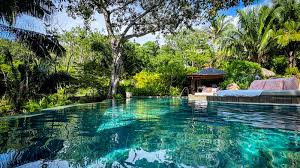
There's a specific type of quiet that only exists when children are structurally absent. Not the quiet of a library (imposed, fragile) or the quiet of an empty room (inert), but the quiet of a place designed for adults who came here to slow down and where no one is going to scream at a pool at 7am. If you've ever tried to meditate at a resort while a 4-year-old tests the acoustic properties of the lobby, you understand why adults-only wellness properties exist.
The adults-only format isn't about excluding families. It's about creating conditions (silence, slowness, uninterrupted rest) that are incompatible with the energy of children, which is, in a healthy child, exuberant, loud, and constant. Both things are good. They just can't occupy the same space.
Here are the retreats and resorts that do the adults-only wellness model best.
The Full Immersions
Four Seasons Naviva (Riviera Nayarit, Mexico) takes the adults-only concept further than any other property on this list. 16+ age policy. 15 tented bungalows. 30 guests maximum. No fixed schedule, no restaurants with hours, no spa building. Treatments happen in forest pods. Food is prepared wherever you want it, whenever you want it. The entire property is a 48-acre jungle preserve where the design principle is the absence of structure. There's nothing to do except whatever you feel like doing, which turns out to be the hardest and most restorative thing to offer. Fully all-inclusive (food, drinks, a daily 90-minute spa journey, and select experiences). The privacy is absolute: you can go an entire day without seeing another guest.
Kamalaya Koh Samui (Thailand) is adults-only (16+) and runs structured wellness programs of 3-14 days. The property is built around a cave formerly used by Buddhist monks, and the programming combines Asian healing traditions (Traditional Chinese Medicine, Ayurveda) with Western naturopathy and fitness. The multi-day programs have specific focuses: detox, stress and burnout, sleep enhancement, emotional balance, and ideal weight. The setting (tropical hillside, ocean views, garden paths connecting treatment rooms and residences) is designed for the internal focus that the programs require. Children would disrupt the container. Their absence is part of the medicine.
SHA Wellness Clinic (Alicante, Spain) is implicitly adults-only (the medical programming and clinical nature of the treatments mean children have no place here, though the policy isn't always explicitly stated). The approach is diagnostic: genetic testing, microbiome analysis, and comprehensive health assessments that produce personalized protocols. The treatments are serious (some involve medical procedures), and the environment (contemporary architecture overlooking the Mediterranean) supports concentration on health goals without distraction.
The Boutique Properties
Hotel Escencia (Riviera Maya, Mexico) is a 29-suite property on a stretch of Caribbean beach that operates with an adults-only policy and a wellness program built around the natural environment: ocean swimming, cenote visits, Mayan-inspired spa treatments, and yoga on a beachfront platform. The property was originally a private estate, and it retains that feel: personal, quiet, and scaled to human proportion. The food program (Italian-Mexican, sourced from local fishermen and farms) is strong enough to be a draw independent of the wellness offerings.
The BodyHoliday (Saint Lucia) is an all-inclusive wellness resort on a private beach in the northeast of the island. The daily program includes a complimentary spa treatment, fitness classes (yoga, Pilates, spinning, boxing), water sports (sailing, diving, paddle boarding), and outdoor activities (hiking, cycling). The adults-only policy creates an environment where the fitness and wellness programming can be taken seriously without the compromises that family resorts require. The food is Caribbean with international influences, and the all-inclusive model means there's no financial anxiety attached to trying everything.
Vana (Dehradun, India) sits in the Sal forest at the foothills of the Himalayas, about 4 hours north of Delhi. The wellness approach draws on Ayurveda, Tibetan healing traditions, yoga, and naturopathy, and the programs are structured around individual health assessments conducted by resident practitioners. The property is adult-focused (no explicit age policy, but the programming and atmosphere are designed for adults seeking health improvement). The architecture (stone, glass, and water features integrated into the forest) creates an environment of stillness. The food is Ayurvedic, seasonal, and surprisingly satisfying for a cuisine category that can sometimes feel restrictive.
The Intensive Programs
Lanserhof (Multiple locations: Austria, Germany, UK) is the European benchmark for medical wellness. The approach is based on the Mayr Method (a century-old Austrian health philosophy centered on digestive health, detoxification, and rest). Programs typically run 7-14 days and include medical consultation, diagnostic testing, a structured dietary protocol (the early days often involve modified fasting), movement therapy, and treatments. The atmosphere is quiet, focused, and unambiguously adult. The newer Lanserhof Sylt (on the German island of Sylt) combines the medical program with a North Sea setting that adds windswept walks to the therapeutic menu.
The Ranch Malibu (California) is adults-only by nature of its programming: 4-hour daily hikes, plant-based meals, 9pm bedtime, and a fitness intensity that wouldn't work with children present. The structure is rigid (wake-up time, meal times, activity times are fixed), which creates a container that frees you from decision-making. The luxury is subtle: the accommodations are comfortable but not lavish, the food is exceptional within its caloric constraints, and the mountain setting in the Santa Monica Mountains is beautiful.
Absolute Sanctuary (Koh Samui, Thailand) is a Moroccan-themed wellness resort that runs detox, fitness, and yoga programs in an adults-only setting. The signature programs (detox, weight management, yoga immersion) run 3-14 days and combine daily treatments, fitness classes, and dietary protocols. The property is smaller and more intimate than Kamalaya (its neighbor and competitor on Koh Samui), with a rooftop yoga platform and a design aesthetic that's more playful than the typical wellness center.
What Adults-Only Actually Changes
The difference between an adults-only wellness property and a family-friendly one with a spa isn't just noise level. It's the entire operating framework.
Programming depth. When the entire guest population is adults seeking wellness, the programming can go deeper. Meditation sessions can be longer. Silence can be maintained in shared spaces. Breathwork can get intense without worrying about a 12-year-old having a panic attack in the corner. The facilitators can assume a baseline of emotional maturity and tailor the experience accordingly.
Dining culture. Adults-only dining rooms are quieter, slower, and more conducive to the mindful eating that wellness programs emphasize. The food can be more adventurous (bitter greens, fermented foods, complex spice profiles) without the need to accommodate children's palates. Meal times become part of the practice rather than a logistical challenge.
Space usage. Pools, gardens, treatment waiting areas, and communal spaces have a different energy when every person in them is there to rest. The pool chair that would be a launching pad at a family resort becomes a place for a 2-hour nap. The garden path designed for contemplative walking stays contemplative.
Sleep. This is the biggest one. Wellness retreats that emphasize sleep improvement (and most do, because sleep is the foundation of every other health metric) need an environment that supports sleep. Hallways without running footsteps at 6am. Pools without splashing at 10pm. Walls without the muffled sound of a bedtime negotiation next door.
The adults-only format isn't a luxury. It's a design requirement for the type of rest and healing that wellness retreats are trying to produce. The properties that understand this build the policy into their architecture, their programming, and their culture. The ones that don't are just hotels with a spa that happen to exclude children.