
Blog Post
The Best Wellness Retreats in Costa Rica
Retreats
April 10, 2026
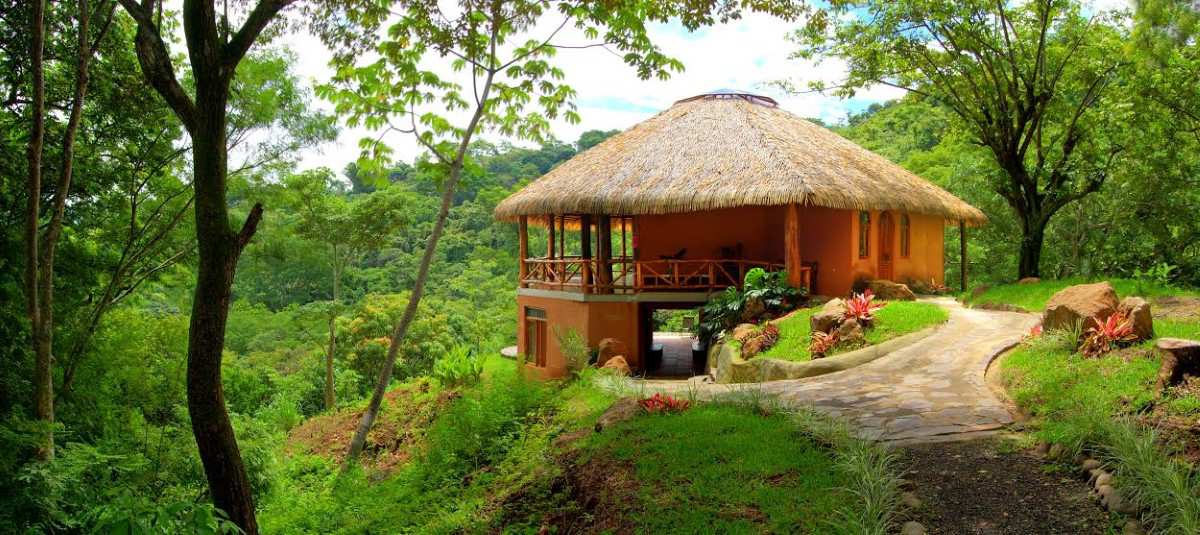
Costa Rica markets itself as a wellness destination with the same confidence that France markets itself as a food destination: not because it invented the concept, but because the conditions are so obviously suited to it that the branding barely requires effort. Tropical climate, biodiversity that borders on absurd, a culture built around "pura vida" (which translates to something between "pure life" and "everything's fine"), and a political stability rare in the region.
The wellness retreat industry here is mature enough that the range spans from $50/night eco-lodges with morning yoga to $1,000/night luxury compounds with private healing practitioners. Here's what's worth booking.
The Nicoya Peninsula
The Nicoya Peninsula is one of the world's 5 "Blue Zones" (regions where people live measurably longer than average), which gives it a credibility that other wellness destinations have to manufacture. The longevity research points to diet (beans, corn, tropical fruit), community structure, and physical activity as the primary factors, not any specific wellness practice. But the climate, the coast, and the pace of life create conditions that retreat centers have built on effectively.
Blue Spirit in Nosara is the largest dedicated retreat center on the peninsula. The property sits on a hillside above Playa Guiones, with open-air yoga platforms overlooking the ocean and jungle. The programming rotates: visiting teachers lead themed retreats (yin yoga, meditation intensives, breathwork, creative writing) throughout the year, and the center runs its own daily yoga and meditation schedule between guest retreats. Accommodation ranges from dormitory to private bungalow. The food is vegetarian, served buffet-style, and better than average for a retreat center. Surfing at Guiones is a 10-minute walk.
Bodhi Tree Yoga Resort is also in Nosara and takes a different approach: smaller scale, more curated, higher-end. The property has a yoga shala, a pool, an open-air restaurant, and a handful of rooms and casitas arranged around a garden. The yoga program includes daily classes for guests and periodic multi-day retreats. The vibe is relaxed and social (the pool and restaurant become gathering points in the afternoon). It works well for people who want a wellness-oriented vacation rather than a structured retreat.
Pranamar Villas & Yoga Retreat sits on the beach in Santa Teresa, at the tip of the peninsula. Oceanfront yoga platform. The location in Santa Teresa means you're a 5-minute walk from restaurants, surf shops, and the beach culture of what's become one of Costa Rica's most popular coastal towns. The retreats here blend yoga with surf instruction, and the crowd skews younger and more active than the Nosara centers.
Arenal and the Central Highlands
The Arenal volcano region in the north-central highlands offers a different wellness environment: hot springs (fed by volcanic geothermal activity), cloud forests, and a cooler climate than the coast. The area around La Fortuna has a concentration of hot springs resorts that range from budget to luxury.
Tabacon Thermal Resort & Spa is the most established hot springs property in the Arenal area. The springs flow through a series of naturally tiered pools set in a tropical garden at the base of the volcano. Water temperatures range from 27°C to 42°C across the different pools, and the landscaping creates an experience that's more immersive than a typical spa. The resort offers massage, hydrotherapy, and volcanic mud treatments. It's not a retreat center in the structured sense (no yoga schedule, no meditation programming), but the thermal bathing itself is the wellness practice.
Nayara Springs is the luxury option in the Arenal area: adults-only, villa-only, each villa with a private hot spring pool on the terrace. The spa program includes volcanic-inspired treatments, and the property's position on a hillside above the Arenal forest gives every villa a treeline view. It's the choice for people who want the hot springs experience without sharing the pool with 50 strangers.
Leaves and Lizards is a small retreat center in the cloud forest near Arenal that runs multi-day wellness programs combining yoga, meditation, hiking, and hot springs visits. The property is off-grid (solar powered, spring water, composting systems) and the retreat structure emphasizes simplicity and nature connection. Group sizes are small (8-12 participants). The cloud forest setting means you're surrounded by the sounds of birds, insects, and rain on a canopy that starts to feel like its own form of sound therapy.
The Caribbean Coast
Costa Rica's Caribbean coast is culturally distinct from the Pacific side: Afro-Caribbean heritage, reggae and calypso, different cuisine (coconut rice and beans, jerk-spiced dishes, cacao), and a more laid-back energy that somehow manages to out-relax the already relaxed Pacific coast.
Samasati Retreat & Rainforest Sanctuary is set in a private rainforest reserve above Puerto Viejo, with yoga platforms overlooking the canopy and the Caribbean Sea in the distance. The retreat programs combine yoga with plant medicine workshops (cacao ceremonies, herbal medicine, not ayahuasca), meditation, and jungle hikes. The accommodation is simple (cabins and bungalows, no air conditioning, abundant wildlife that considers the property its home). Howler monkeys are the morning alarm.
Goddess Garden in Cahuita is a small eco-retreat run by a herbalist who cultivates a medicinal plant garden on the property. Programs include herbal medicine workshops, raw food preparation, yoga, and treatments using plants grown on site. It's as grassroots as wellness gets in Costa Rica: a single person's practice translated into a retreat experience. Group sizes are tiny (4-8 people).
The Osa Peninsula
The Osa Peninsula is the most biodiverse region in Costa Rica (and one of the most biodiverse on the planet). Getting there requires either a small plane from San Jose or a long drive on progressively worse roads. The remoteness is the filter: people who make it to the Osa are committed to being there.
Luna Lodge sits in the rainforest above the Golfo Dulce and runs wellness retreats that use the jungle as the primary therapeutic environment. Morning yoga on an open-air platform above the canopy, guided forest meditation, waterfall hikes, and wildlife observation (scarlet macaws, toucans, spider monkeys, and tapirs are all resident in the surrounding forest). The accommodation is tent-cabins and bungalows, the food is organic and locally sourced, and the sense of isolation from modern life is genuine. Your phone won't work here. That's part of the prescription.
Finca Exotica on the Pacific coast of the Osa is a beachfront eco-lodge that offers yoga and raw food retreats. Solar-powered, no Wi-Fi (intentionally), and accessible only by boat or a rough road that's impassable during heavy rain. The beach is wild (surfable waves, no development visible in either direction), and the retreat structure is minimal: yoga in the morning, beach in the afternoon, plant-based dinner, sleep. The simplicity is the design.
Practical Notes
When to go. December through April (dry season) has the best weather across most of the country. The Pacific coast and Central Valley are reliably sunny. The Caribbean coast follows a different pattern (September and October are its driest months). Green season (May through November) brings afternoon rain but also lower prices, fewer tourists, and the lushest landscape.
Getting around. A rental car (4WD for the Nicoya Peninsula and the Osa) gives the most flexibility. Domestic flights connect San Jose to Nosara, Tambor, Puerto Jimenez, and other regional airports. Shared shuttles between major destinations are available through services like Interbus and Caribe Shuttle.
Budget. Costa Rica is more expensive than most Central American countries but cheaper than Hawaii or the Caribbean islands. Retreat prices range from $100-200/night at mid-range centers to $400-1,000/night at luxury properties, typically including accommodation, meals, and programming. The value is strongest at the mid-range: well-run centers with good food, daily yoga, and beautiful settings at prices that don't require a financial recovery period after the wellness recovery period.
The country's official motto is "pura vida," and the retreat industry has built an entire economy around the idea that the phrase describes a state you can enter if you practice yoga on a jungle platform while a toucan watches. It's cynical to dismiss this entirely. The conditions here (warmth, biodiversity, natural beauty, cultural gentleness) do produce a particular quality of relaxation. The retreats just give it a schedule and a price tag.